Guides
Bakery products shoppers compare most before they buy
'best bakery products' connects customer access, operating capacity, staffing, and cash. Strong plans make assumptions visible. They state who is responsible, what.
What to take away
- Celebration and layer cakes, sourdough loaves, croissants and pies draw the heaviest comparison. High ticket, visible quality cues.
- Cookies, muffins, brownies, cupcakes and bagels draw almost none. Shoppers judge them in seconds.
- The attributes repeat across categoriesprice per serving, visible size and weight, ingredient panel, freshness, allergen and dietary claims.
- Every top-ranked item locks in capacity, labor and cash, from fermentation hours to decorating shifts and cake deposits.
- The 2027 framing matters because portion sizes, menus and price lists get set before the calendar year begins.
How the list is ordered
No agency publishes a ranking of bakery products by how hard shoppers compare them. The FDA regulates what labels must say. The Bureau of Labor Statistics tracks what food costs. Neither watches a counter.
So this order follows two things a shopper can act on before paying. Ticket size, and the number of quality cues visible at the point of sale.
The products, in order of comparison
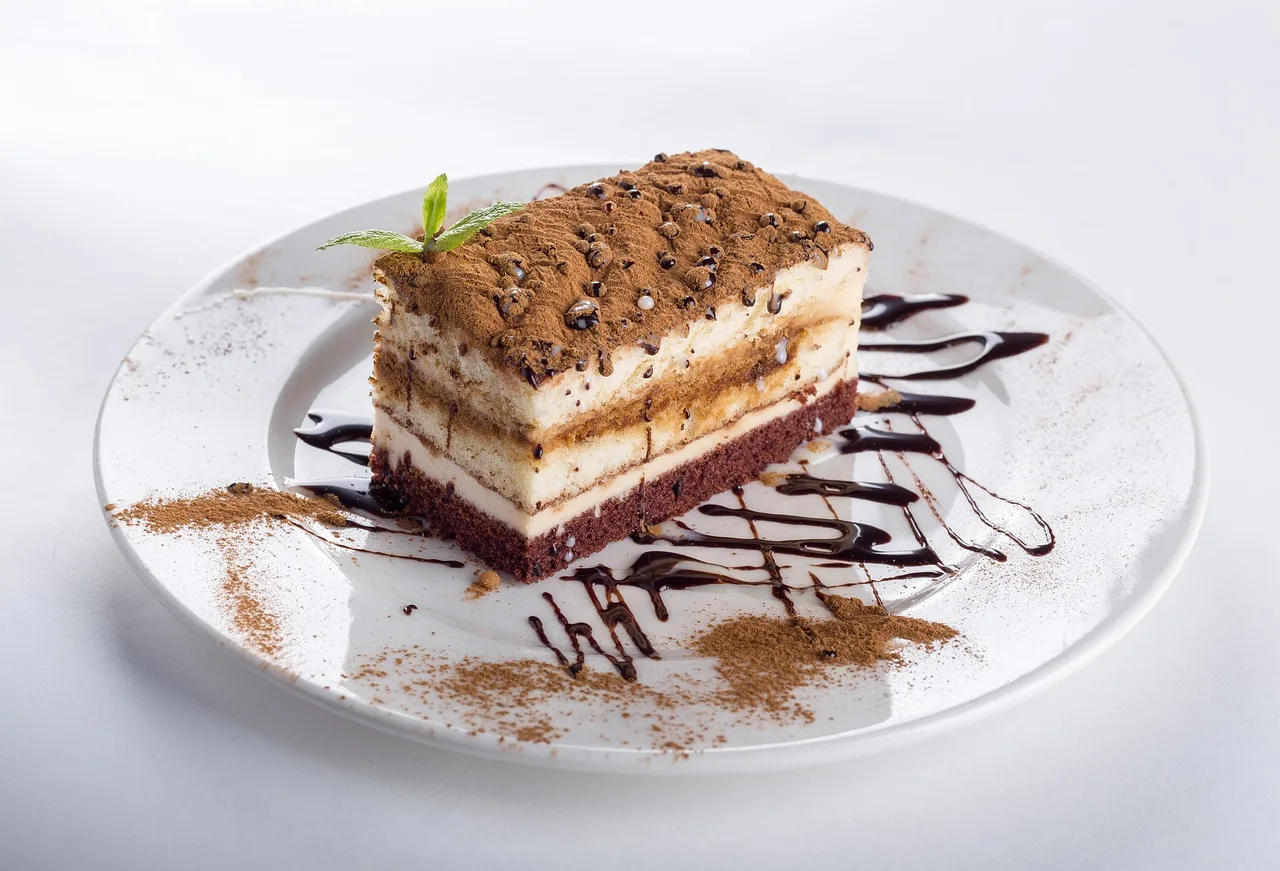
Celebration and layer cakes rank first. The buyer is paying for an event and cannot taste the result first. Servings, height, filling and decoration decide the sale.
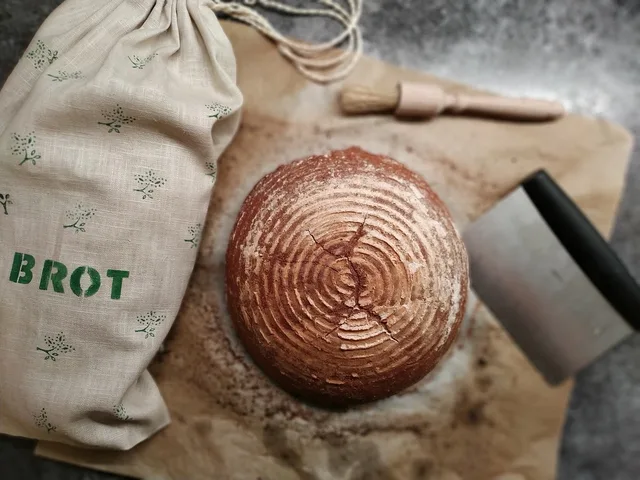
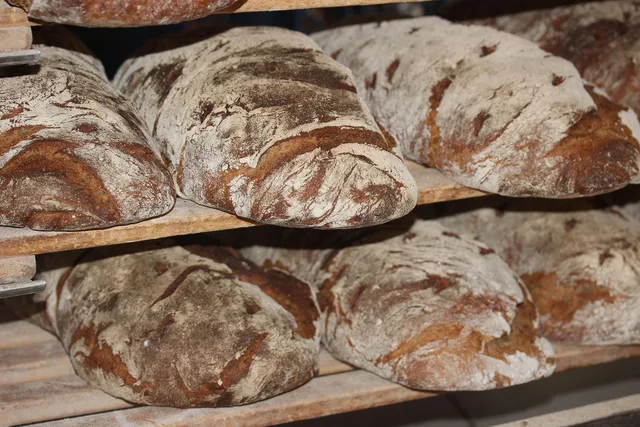
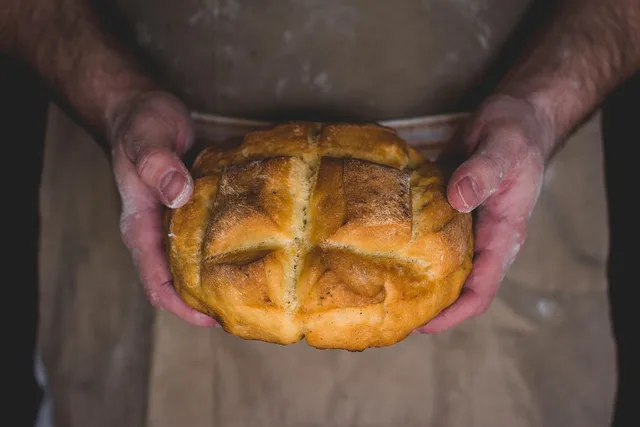
Sourdough and artisan loaves rank second. A shopper squeezes the loaf, reads the ingredient panel, checks crust color, and compares price per pound with the supermarket aisle.
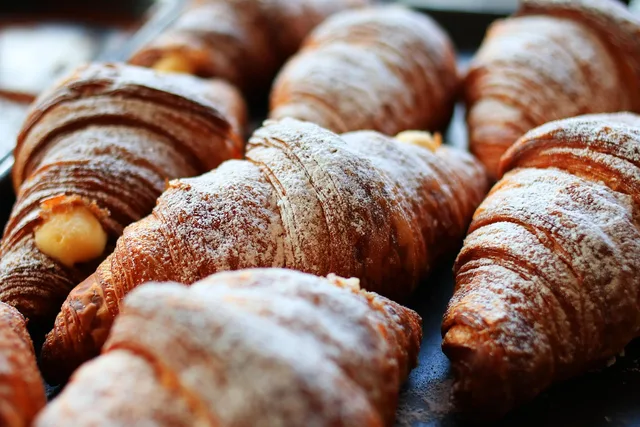
Croissants and laminated pastry rank third. Butter content, flake, size and color are all checkable through the glass.
Pies and cheesecakes rank fourth. Both are preorder items with a stated serving count and a storage rule.
Tarts, danish, gluten-free and vegan items sit in the middle. A shopper weighs these against a dietary need or a price premium, not against a rival bakery.
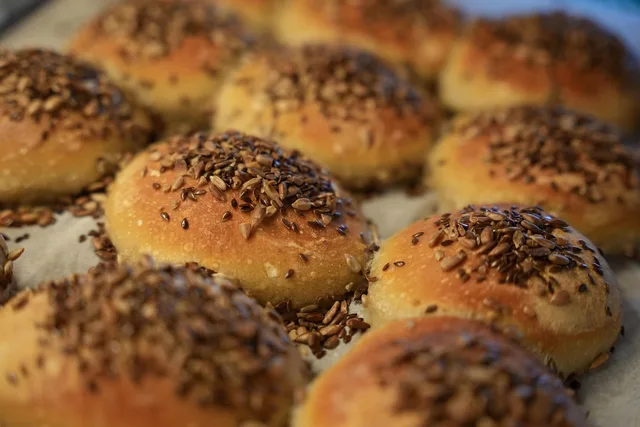
The bottom is sandwich loaves, bagels, cinnamon rolls, cupcakes, muffins, cookies and brownies. These are habit buys, decided in seconds.
Rank does not equal profit, so read the margin math behind each product before you promote it on the board.
Products
- 1
- Celebration and layer cakes
- 2
- Sourdough and artisan loaves
- 3
- Croissants and laminated pastry
- 4
- Pies and cheesecakes
- 5
- Gluten-free and vegan items
- 6
- Cookies, muffins, brownies, cupcakes, bagels
Compared before buying
- 1
- Servings, height, filling, decoration, lead time, deposit
- 2
- Flour, fermentation, crust, crumb, loaf weight, shelf life
- 3
- Butter content, flake, size, weight, color
- 4
- Diameter, crust type, servings, storage, preorder cutoff
- 5
- Cross-contact statement, ingredients, texture, price
- 6
- Unit weight, inclusions, texture, price per unit
Operating load
- 1
- Decorating labor, refrigerator space, cash deposits
- 2
- Starter upkeep, overnight schedule, day-old markdowns
- 3
- Cold room space, skilled sheeting, daypart baking
- 4
- Seasonal spikes, oven hours, refrigeration
- 5
- Separate prep area, dedicated tools, early batches
- 6
- Trays, display rotation, low labor per unit
Attributes shoppers compare, and where the label answers
The attribute list is short and it repeats. Price per serving, visible size, weight, freshness, ingredient panel, allergen statement.
Bakery Products Comparison Criteria
Sourdough loaf
- Flour
- compare
- Fermentation
- compare
- Crust
- compare
- Weight
- compare
- Freshness
- compare
- Ingredients
- compare
Baguette
- Flour
- compare
- Fermentation
- compare
- Crust
- compare
- Weight
- compare
- Freshness
- compare
- Ingredients
- compare
Croissant
- Flour
- compare
- Fermentation
- compare
- Crust
- compare
- Weight
- compare
- Freshness
- compare
- Ingredients
- compare
Freshness means bake time for bread and lead time for cake. For a gluten-free item it means the cross-contact statement on the package.
Packaging carries those claims once the item leaves the counter, which is why packaging built to survive the counter pays off most on the ranked items.
Federal guidance on food allergens from the FDA sets out what a packaged bakery item must declare. Food wrapped to a customer's order follows a different path, so the FDA allergen questions and answers is the reference to read first.
Nutrition Facts is a separate decision. A small bakery may qualify for the FDA small business nutrition labeling exemption, and a nutrition claim on the package can end that exemption.
In Canada, Health Canada writes the labelling rules and the CFIA enforces them. Bilingual text is required on prepackaged food sold there.
What each ranked item costs to run
Cakes need a finisher and cold storage. For sourdough the constraint is the starter, which must be fed and built into the day-before schedule. Laminated pastry needs a cold room.
Costing by weight is simpler with baker's percentage, which scales every ingredient against total flour weight, because a flour price move then flows straight into price per serving.
Cash sits in deposits and unsold trays. Ranked and unranked items spoil at the same rate, but ranked items hold more of the money.
Lamination and cake finishing decide whether a ranked item can be sold at all, so check the hiring and training plan that covers both skills before adding either to the menu.
Before a ranked item goes in the case:
- Can the oven and the cold room hold a full batch at peak?
- Is a trained finisher on the decorating shift?
- Is the allergen and cross-contact statement written down?
- Is the price per serving on the shelf tag?
Example: a card that ends the comparison
A shelf card that answers the four comparison questions stops most shoppers from comparing at all.
Sourdough. Mixed yesterday, baked at 6 a.m. today. Typical loaf 800 g. Contains wheat. Baked in a kitchen that also handles milk, eggs and tree nuts.
A cake card swaps bake time for servings, lead time and deposit. The FDA Food Code is a model that states adopt with changes, so holding rules at the counter still vary by jurisdiction.
The 2027 planning angle
The year matters for one reason. Portion sizes, menus and price lists get fixed months before the calendar turns.
Food prices drive comparison. The food-at-home series inside the Consumer Price Index is the public reference for how fast grocery and bakery prices have moved.
When that series runs hot, shoppers study the ranked items harder and lean on the impulse tray less. That is the planning case for one price and portion review each year.
Track the result with the monthly bakery KPIs that show real movement, because markdowns and units per ticket shift before profit does.