Guides
The bakery products that earn the highest margin
Croissants, cinnamon rolls and decorated cakes lead on margin per oven hour, while sandwich bread and cookies win on volume and shrink control.
What to take away
- Laminated doughs, cinnamon rolls and decorated cakes earn the most per oven hour because they sell at a price far above their flour, butter and sugar cost.
- Bread earns thin margin per hour but pays the rent on volume, so it stays on the list for a reason that has nothing to do with margin.
- Cookies and bars win on shrink, not on price. They hold for days and fill oven gaps that would otherwise sit idle.
- Finishing labor is where a decorated cake stops being a high-margin product. Time it with a stopwatch before you trust the number.
- Rank your own products by contribution per oven hour using the formula below, because ingredient prices and shrink are local.
The products that lead on margin
These are the items that show up at the top of the ranking in most retail bakeries, ranked by contribution per oven hour rather than by price per unit.
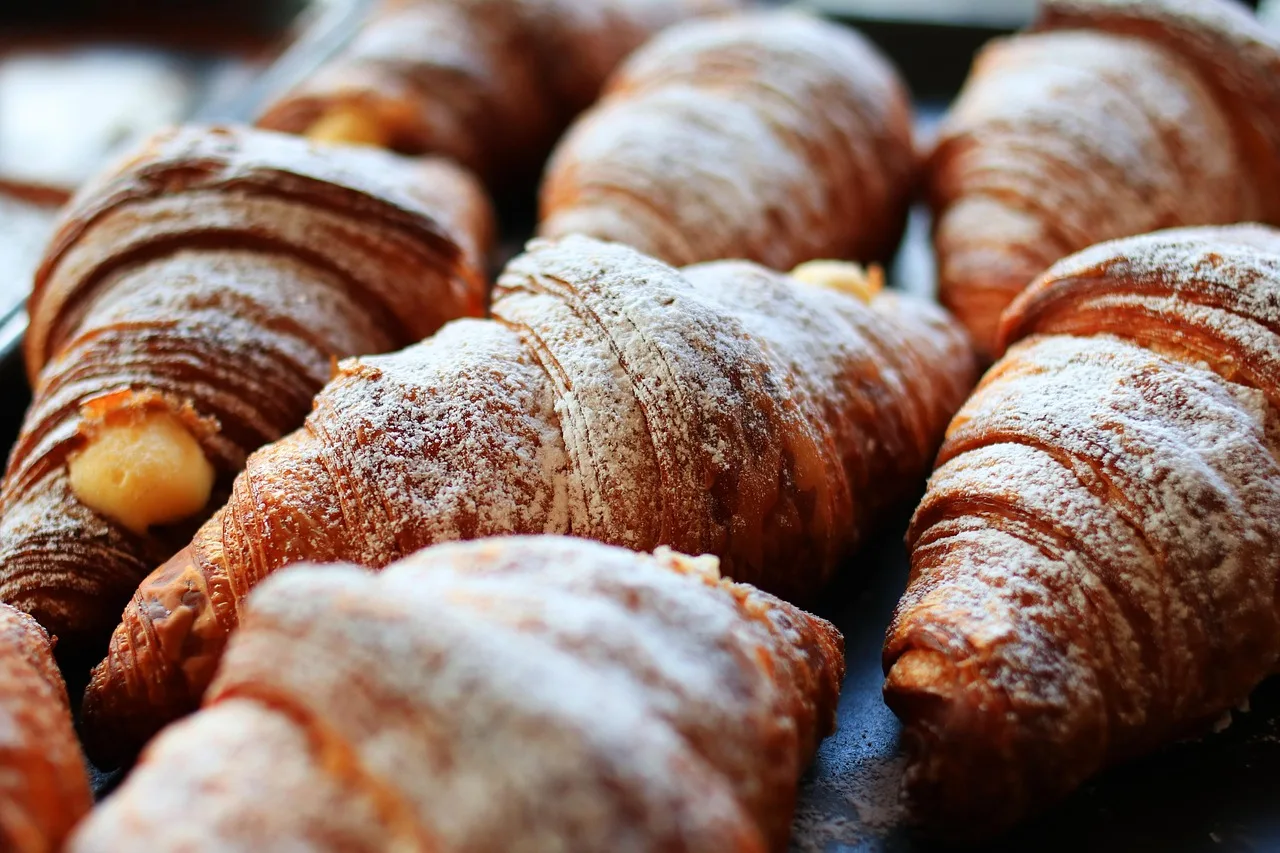
- Croissants and laminated pastries.A croissant sells for several times its butter and flour cost, and a deck of them bakes in one pass. The catch is the fold and rest time, which is labor you pay for before the oven ever runs.
- Cinnamon rolls and iced sweet rolls.Cheap dough, high perceived value, and a frosting finish that takes seconds per unit. They hold through the morning and sell out by noon in most shops.
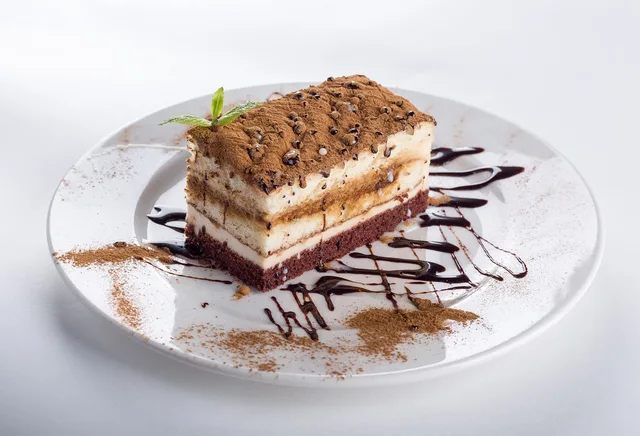
- Decorated cakes and custom celebration cakes.The highest price per unit on almost any bakery menu. The margin lives or dies on how long the piping and finishing actually take.
- Cheesecakes and refrigerated desserts.Strong price, low oven time, but they carry refrigeration and shelf-life costs that a dry product does not.
- Brownies, bars and blondies.Low ingredient cost, long shelf life, and they bake in a sheet pan that slices into dozens of sellable units.
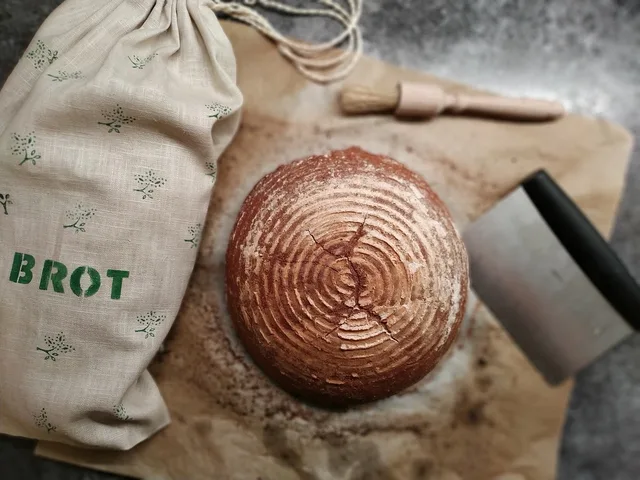
- Sourdough and artisan loaves.Good ingredient margin, terrible shrink if you overbake. The oven hour is long and the product is unsellable tomorrow.
- Muffins and quick breads.Fast to mix, fast to bake, and forgiving on shrink because they hold a day or two.
Contribution per oven hour, worked through
Work in named variables and substitute your own measured figures. Do it per batch, not per item, because that is how production actually happens.
Contribution per oven hour variables
- Pprice the unit sells for
- Iingredient cost per unit
- Ffinishing and packing labor per unit
- Nsellable units per batch
Contribution per unit: C = P - I - F
Contribution per batch, after shrink: B = C x N x (1 - S) - (I x N x S)
The last term matters and is usually left out. Unsold units cost their ingredients even though they earn nothing.
Contribution per oven hour: R = B / H
Rank your products by R. That is the ranking that means something, because it answers the question the oven actually asks: given one hour of deck space at 5am, what should be in it?
A cinnamon roll sells for P = 4.50, costs I = 0.85 in dough and icing, and takes F = 0.20 of finishing labor. C = 3.45.
A batch of N = 48 rolls at S = 0.10 shrink gives B = 3.45 x 48 x 0.90 minus 0.85 x 48 x 0.10, or 149.04 minus 4.08, which is 144.96.
If the batch holds the deck for H = 0.75 hours, R = 193.28 per oven hour. Substitute your own figures and the ranking builds itself.
What the arithmetic usually shows
Bread scores well on ingredient cost and badly on shrink, because it is unsellable tomorrow. Its R swings hard with S, which is why bread rewards a disciplined forecast more than any other family.
Product family scoring patterns
Bread
- Ingredient cost
- Good
- Shrink
- Bad
- Price
- Low
- Finishing labor
- Low
- Oven hours
- Swings with S
Cookies and bars
- Ingredient cost
- Good
- Shrink
- Good
- Price
- Low
- Finishing labor
- Low
- Oven hours
- Share easily
Decorated and filled
- Ingredient cost
- Poor
- Shrink
- Good
- Price
- Good
- Finishing labor
- Bad
- Oven hours
- High
Cookies and bars score well on shrink and share oven hours easily, so their real value is often that they fill space rather than lead the ranking.
Decorated and filled items score well on P and badly on F. Finishing minutes are the whole story, and they are the number owners estimate rather than measure. Time three with a stopwatch. What the labor the finishing work actually needs turns out to be usually reorders the list.
Two costs the formula leaves out
Complexity. A product needing its own flour, pan, temperature band and supplier adds cost that never lands on its own line. It shows up as an extra delivery and a slower changeover.
Regulatory reach. A filled or refrigerated item, or the same product sold wholesale, can pull in requirements you do not currently have. Check the permits a new product can trigger first, and confirm allergen handling for anything sharing a bench.
Allergen controls and facility requirements vary by state and municipality, so confirm the current rules with your state health department or a qualified food-safety professional.
The sources behind the labeling limits
Nutrition labeling duties and the conditions of a small business exemption are in U.S. Food and Drug Administration: Small Business Nutrition Labeling Exemption.
Allergen statements and facility controls are covered in U.S. Food and Drug Administration: Questions and Answers Regarding Food Allergens, and the handling provisions states adapt come from the U.S. Food and Drug Administration: Food Code 2022.
Which of them binds you is a question for your local health department.
Sorting the product list by keeping life is the step before the arithmetic. Selling the same product through another channel changes P, F and S at once, so it needs its own run. And a strong R still assumes the units sell, which is the work of getting people to the case before it empties.
Common questions
Should the least profitable product be dropped?
Not automatically. Ask whether it brings a customer who buys other things, and whether it uses an oven hour nothing else wants. A low scorer in a dead slot costs almost nothing.
Does a higher price fix a poor score?
Test it on paper. Raise P and see how far it has to move. If the move is one a customer would notice, the problem is the cost structure rather than the price.
Why rank by oven hour instead of by unit margin?
The oven is the scarce resource in a bakery, not the display case. A product with a thin unit margin that bakes fast can outearn a high-priced item that ties up the deck for an hour.
Where do I find current ingredient and labor figures?
Your own invoices and payroll records are the only source that reflects your shop. For regional averages, check the U.S. Bureau of Labor Statistics for wage data and your supplier contracts for current ingredient pricing.