Guides
Bakery Dough Formulas: Who Regulates Washington and Oregon Bakeries?
Bakery dough formulas don't change, but who regulates them does. See how Washington and Oregon decide where you may mix, proof, and sell your bread.
What to take away
- Bakery dough formulas do not change under state law, but Washington food-processor licensing under RCW 69.07 and Oregon food-handler rules under OAR 333-150 decide where you may mix, proof, and sell them.
- Washington regulates bakeries through the Washington State Department of Agriculture (processor licensing, RCW 69.07) and local health jurisdictions (retail food code, WAC 246-215); Oregon splits food-handler cards (OAR 333-150) from processor licensing (ORS 616) under the Oregon Health Authority and Oregon Department of Agriculture.
- King County permitting for a Seattle bakery runs through Public Health Seattle and King County, with plan review, a food worker card, and an operating permit.
- Local grain sourcing shifts flour protein, absorption, and fermentation timing, so formulas need testing before you print a label.
- Sourcing claims such as locally grown or whole grain carry labeling consequences under FDA rules and the Food Code adopted by state and local regulators.
Washington food-processor licensing for artisan bakeries
Washington food-processor licensing depends on what you make and where you sell it. A bakery that mixes dough, bakes, and sells only at retail falls under a food-service permit from the local health jurisdiction, governed by WAC 246-215, the Washington retail food code.
A bakery that packages bread, pastries, or dry mixes for wholesale or interstate sale needs a food processor license from the Washington State Department of Agriculture under RCW 69.07, the state's food-processing statute.
The distinction matters for your dough. Retail food service follows WAC 246-215, which Washington bases on the FDA Food Code, the model regulators adopt and amend. The administrative code sets hand-sink, temperature-control, and record-keeping rules that inspectors enforce on the floor.
A wholesale processor license adds preventive controls, sanitation procedures, and records under the FSMA Final Rule for Preventive Controls for Human Food when the bakery qualifies as a food facility.
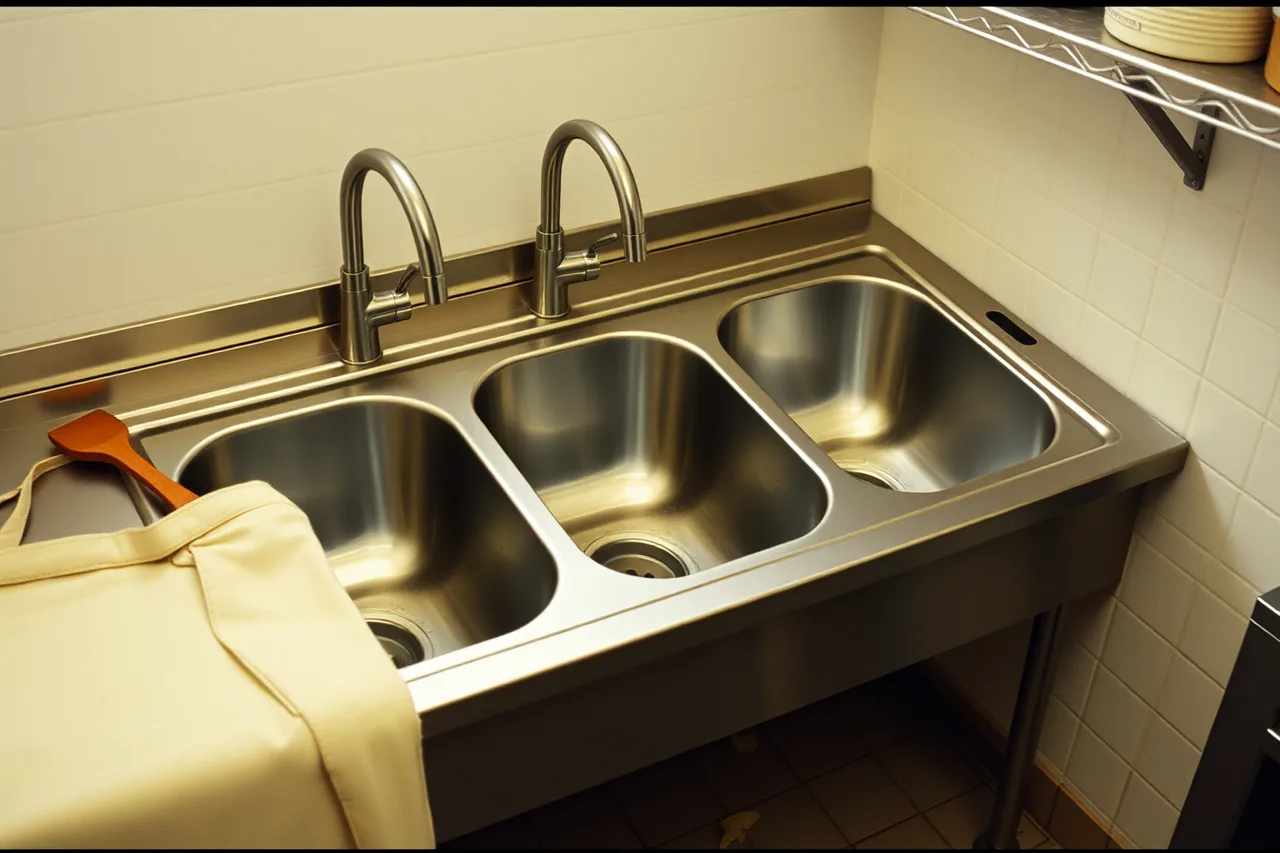
Washington does not license a recipe. It licenses a process, a facility, and a person in charge. Your bakery licensing requirements therefore hinge on water supply, hand sinks, three-compartment sinks, pest control, and cold holding for enriched doughs and custard fillings. Across the Pacific Northwest, those facility standards are the ones inspectors check first.
Sourdough starters are a process too. A starter kept at room temperature and fed daily is a food in production. Inspectors look for a written feeding schedule, a clean container, and protection from contamination. A neglected starter is a violation waiting to be written.
If you sell at farmers markets, you may need a separate temporary food establishment permit from the local health jurisdiction. Some Washington counties allow cottage food operations for low-risk baked goods, but wholesale accounts, shipping, and interstate sales push you into processor territory.
Fees and renewal cycles vary by county and by the scale of the operation. WSDA processor licenses renew annually; county food-service permits follow the local health jurisdiction's schedule. Confirm the current fee schedule with the Washington State Department of Agriculture and the local health jurisdiction before you sign a lease. A bakery license requirements list from the state is not the same as a county permit, and you may need both.
Oregon food-handler and processor rules compared
Oregon food-handler rules are the entry ticket for anyone who works with food, including bakers. The Oregon Health Authority oversees food safety and sets the food handler card requirement under OAR 333-150. Most counties require a card within 30 days of hire, obtained by passing an approved online or in-person course. Multnomah County, Washington County, and Lane County each administer their own food-establishment permits on top of the statewide card rule.
A food handler card is not a processor license. Oregon food processor licensing requirements for artisan bakers apply when you manufacture, package, or warehouse food for wholesale distribution under ORS 616. That license comes from the Oregon Department of Agriculture, and the Food Processing Establishment license fee is $0.00, while retail bakeries that sell directly to consumers are permitted by the local county health department.
Oregon also runs a domestic kitchen exemption for certain low-risk baked goods sold directly to consumers. The exemption has limits on sales volume, product type, and where you may sell. Once you cross those limits, you need a licensed facility.
Compare the two states this way. Washington puts wholesale bakery processing under the state agriculture department (RCW 69.07) and retail under local health (WAC 246-215). Oregon puts food handler cards under the health authority (OAR 333-150) and wholesale processing under the agriculture department (ORS 616), with retail under county health.
Both states build their codes on the FDA Food Code, so sanitation and temperature rules look alike even when the paperwork does not.
For a baker moving a starter between Portland and Seattle, the practical difference is who inspects. In Oregon, your county health inspector may be the first visitor. In Washington, a wholesale operation may see the state agriculture inspector instead. Keep your records in one binder for both.
King County and Seattle-area permitting steps
King County permitting for a Seattle bakery starts with the local health jurisdiction. Public Health Seattle and King County handles food safety permitting for food businesses in the county under WAC 246-215, including bakeries that prepare and sell food on site. The process is sequential, and skipping a step costs weeks.
- Confirm zoning and building use with the city or county planning department before you sign a lease.
- Submit plans for review if you are building out or changing a kitchen, including equipment schedules and sink locations.
- Apply for the food establishment permit through Public Health Seattle and King County.
- Obtain a food worker card for every employee who handles food, including part-time bakers.
- Pass a pre-operational inspection, then post your permit where customers can see it.
A wholesale bakery that packages for retail accounts may also need a state food processor license from the Washington State Department of Agriculture. That license adds a preventive controls plan, a recall plan, and supplier verification for flour, nuts, and dairy.
Seattle bakery permit costs depend on the size of the operation, the risk category, and the number of inspections. Plan review fees are separate from the annual operating permit. Budget for both, and ask about temporary permits if you plan to sell at neighborhood markets. Public Health Seattle and King County publishes its current fee schedule on its website; confirm figures before you build your opening budget.
King County food safety rules cover the same ground as the state code: hand washing, temperature control, cross-contamination, and cleaning. For a sourdough bakery, the recurring findings are dirty proofing cloths, unlabeled spray bottles, and starters left uncovered overnight.
If you are still assembling your opening documents, a full walkthrough of bakery licensing requirements can save a second round of plan review. The county publishes its own food safety guidance, and it is the document your inspector will use.
How local grain sourcing changes formulas and labeling
Local grain sourcing is where bakery dough formulas meet regulation. A hard red wheat from the Palouse behaves differently from a commodity bread flour with a standardized protein content. Fresh-milled whole wheat absorbs more water, ferments faster, and produces a denser crumb unless you adjust hydration, preferment percentage, and mixing time.
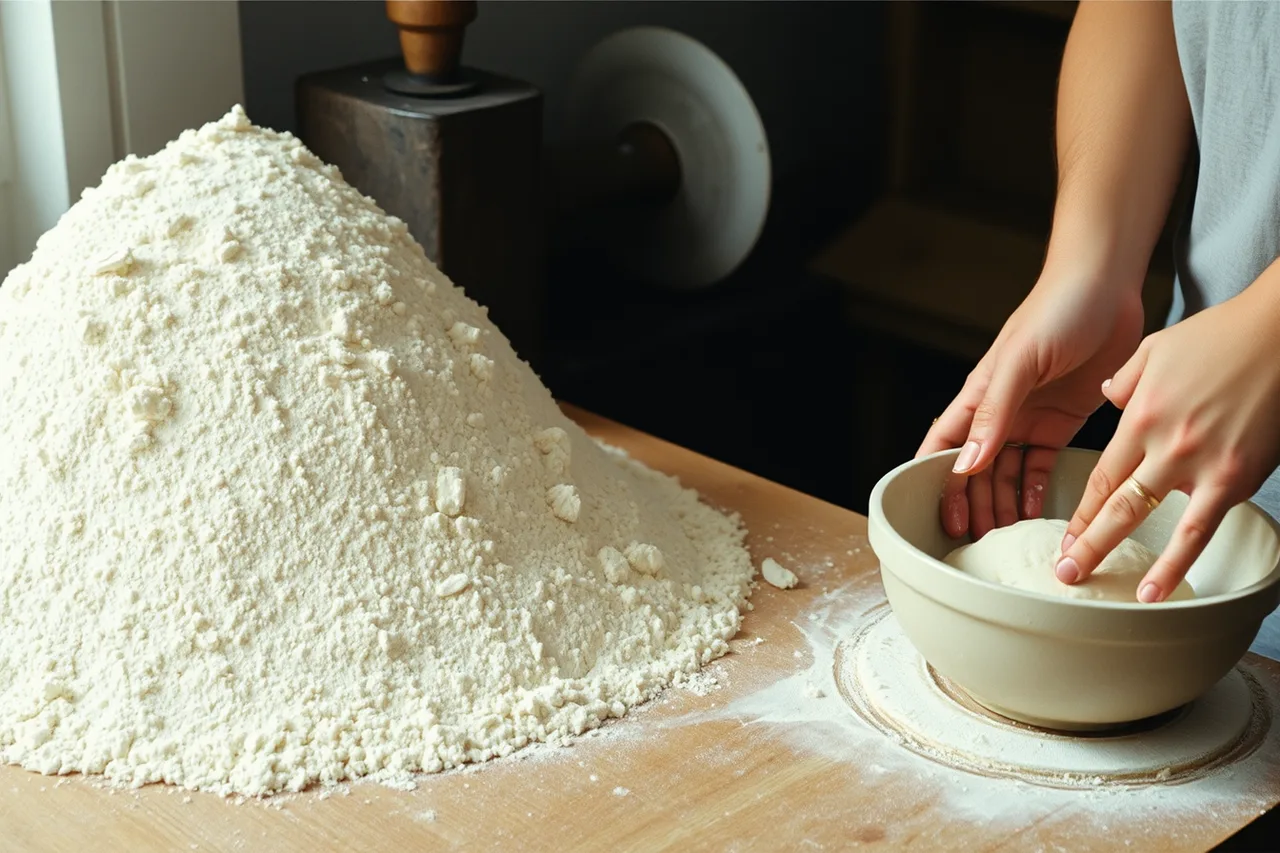
That means your formula is not fixed. If you switch from a blended flour to a single-origin local wheat, you are changing the product. You need to test the new flour at your own bench, record the results, and update your production sheet before you sell the loaf.
Labeling follows the formula. Ingredient statements must list flour by its common name, and if you mill your own grain, the flour is still wheat flour on the label. A whole grain claim requires that all parts of the kernel survive the milling process in their original proportions.
Local grain also affects shelf life. Fresh-milled whole wheat contains more oil, which can go rancid faster than white flour. That shortens the window for packaged goods and pushes you toward smaller batches or refrigerated storage.
Sourcing decisions ripple into inventory. A single-origin flour may arrive in 50-pound bags on a seasonal schedule, not year-round. Your bakery inventory plan has to account for harvest timing, storage space, and a backup flour for the weeks when the local supply runs out.
When you compare best bakery suppliers, ask for a specification sheet and a certificate of analysis for each lot. Protein, ash, moisture, and falling number tell you how the flour will behave in your dough. Without those numbers, you are guessing, and guessing costs you batches.
Labeling claims that follow from sourcing choices
Labeling claims are regulated statements, not marketing flourishes. If you print "locally grown" on a package, you need a reasonable basis for the claim, and you need to define what local means for your bakery. A 100-mile radius is a common standard, but the claim must be truthful and not misleading.
Here is how common claims sort out for a Pacific Northwest artisan bakery.
| Claim | What it requires | Where it shows up |
|---|---|---|
| Locally grown | Substantiation of the source and distance | Retail labels and market signs |
| Whole grain | All parts of the kernel in original proportions | Ingredient statement and front panel |
| Organic | Certified operation and ingredient documentation | Package seal and invoice records |
| No preservatives | No added preservatives, and a shelf-life plan | Package label and storage instructions |
| Sourdough | Leavening from a starter culture, not commercial yeast alone | Product name and ingredient list |
A sourdough claim is the one bakers argue about most. If your bread is leavened with commercial yeast and flavored with a starter, calling it sourdough may be misleading. Keep your process records to show how the dough is leavened.
The FDA Food Code adopted by Washington and Oregon does not create labeling rules by itself, but it does require that food be honestly presented. State labeling rules and the federal Food, Drug, and Cosmetic Act fill in the rest. For wholesale accounts, your buyer may also demand a specification sheet, a kosher certificate, or an allergen statement.
Allergens are non-negotiable. Wheat is a major allergen, and so are eggs, milk, soy, and tree nuts. Your label must name them in the ingredient statement or in a "Contains" statement. Cross-contact warnings belong on the label only if you cannot control the risk.
Before you print a run of bags, check the claim against your records. A local grain claim that cannot be traced to a farm is a liability. A whole grain claim on a sifted flour is false. A sourdough claim on a yeast-leavened loaf is misleading.
Labeling also affects packaging. If your bread is sold at room temperature, the label needs a storage statement and, for some products, a date. If you freeze par-baked loaves for wholesale, the label needs thawing and handling instructions. How to package bakery products covers the materials and the print placement that keep a label legible and compliant.
A Pacific Northwest bakery selling into grocery accounts should also expect a supplier questionnaire. Buyers ask about allergen controls, lot coding, and traceability. Answer with the same records you keep for your inspector, and the two requests stop feeling like separate jobs.