Guides
How cottage food laws in Texas, Oregon and California treat dough
Cottage food laws let home bakers sell some dough, but foods, labels, caps and venues differ. How Texas after SB 541, Oregon and California compare.
What to take away
- Bakery dough formulas sold from a home kitchen fall under state cottage food statutes, not federal rules, so the same loaf can be legal in one state and not the next.
- Since SB 541, Texas allows most foods from a home kitchen, including foods that need time and temperature control such as chilled dough, provided the operation registers with DSHS and follows the labeling rules for those foods.
- Oregon splits home baking into a cottage food exemption and a commercial home bakery license, and only the second covers restaurant accounts and volume beyond the exemption.
- California's cottage food operations run through two classes, A and B, and dough that needs refrigeration sits outside both.
- Labels, sales caps and permitted venues differ sharply, so check your own state statute before printing a single sticker.
What cottage food laws cover, and where dough sits
A cottage food law is a state statute that lets a home producer sell certain low-risk foods without a commercial kitchen license. Roughly every state has one. The details, not the existence, are what decide your business.
Federal agencies set the frame. The FDA Food Code is a model that state and local health departments adopt in whole or in part. Cottage food statutes are written as narrow exemptions from those adopted rules.
That is why a county inspector can cite a code section your state law never mentions. You can read the model at the FDA Food Code.
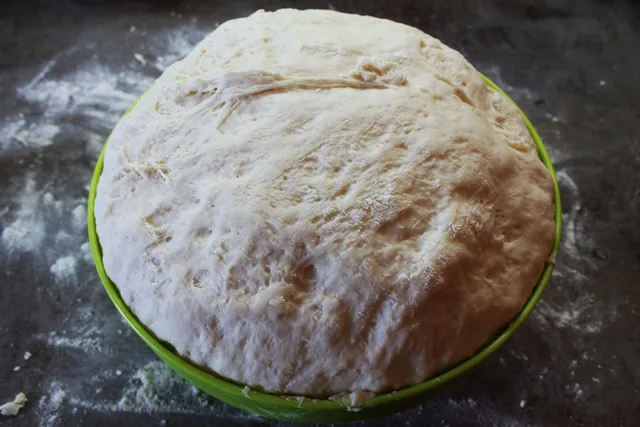
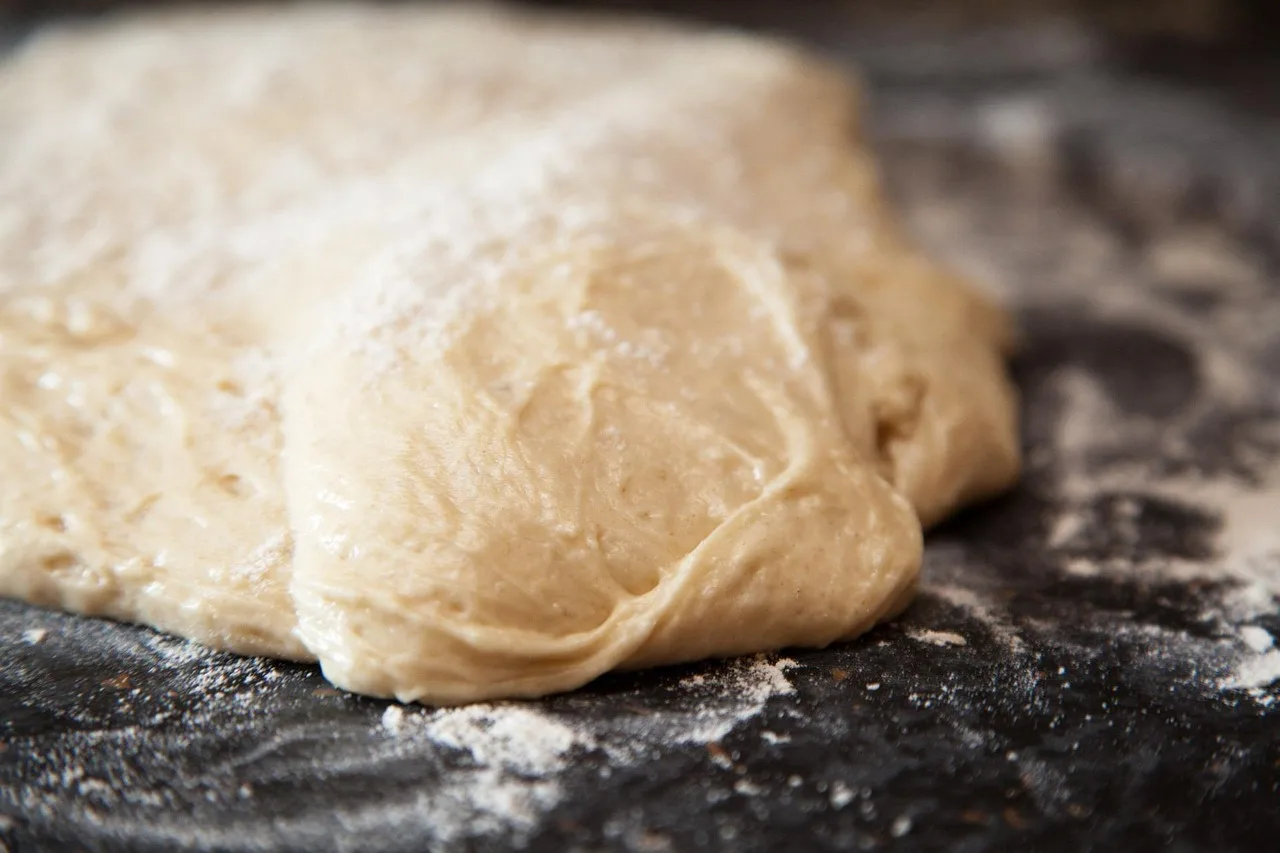
Dough is the awkward category. A dry cookie or cracker dough is shelf stable and usually allowed. A raw bread dough that will be sold chilled, or a filled dough with meat, cheese or custard, usually is not, because it needs temperature control.
Most statutes list allowed items rather than banned ones. If your product is not named, it is generally not covered, and selling it becomes an unlicensed food operation.
Cottage food label requirements
- Producer's name and address
- Product name
- Ingredients list
- Net weight
- Allergen statement
- Home kitchen not inspected notice
That last line is the one buyers notice. It is also the one inspectors check first, because it proves the seller knows which regime they are in.
How Texas treats home-baked dough sales
Texas cottage food rules are written by the Texas Department of State Health Services under rule 661 – Cottage Food Production Operations and are among the more permissive in the country for baked goods. SB 541 expanded them: allowable foods now include any foods except meat and poultry products, seafood, ice and frozen desserts, low-acid canned goods, products containing cannabidiol or THC, and raw milk products. The same law brought nonprofit organizations into the definition of a cottage food production operation and increased its annual gross income threshold to $150,000.
Texas dough sales decision
Is the dough dry or fully baked?
Allowed under cottage food exemption
Not covered; use a licensed kitchen
Foods that require time or temperature control for safety (TCS foods) are where dough sits. Raw dough that must stay cold is a TCS food. Under SB 541, a cottage food production operation that sells TCS foods must register on the DSHS Online Licensing Registry and must follow specific labeling requirements, including safe handling instructions and temperature requirements. A refrigerated pizza dough or a raw cookie dough sold chilled can therefore be sold from a Texas home kitchen once those conditions are met.
Dry mixes are simpler. A jar of dry bread mix, or a dry cookie mix with instructions, is shelf stable and needs no TCS registration.
Sales to consumers are direct: the consumer buys from you, at your home, at a farmers market, at a farm stand, or through a pickup arrangement. SB 541 also sets conditions for wholesale. An operation may wholesale cottage foods to a cottage food vendor, a reseller who must register with DSHS and can sell them at a farmers market, a farm stand, a food service establishment or a retail store, but TCS foods are not eligible for wholesale. So chilled dough can go straight to a consumer, not through a shop.
Texas also requires the producer to complete an accredited food safety education or training program for food handlers, and a label with the standard home kitchen statement. Local public health entities may not regulate production at a cottage food production operation or require it to obtain a permit or pay a fee to sell directly to consumers.
If you plan to sell dough rather than finished bread, Texas is now the most open of the three states for direct sales, as long as you register and label correctly. Bakers who want to sell chilled dough to restaurants or stores still move to a licensed kitchen, and the bakery license requirements that apply are a different set of rules entirely.
Oregon cottage food rules for dough-based products
Oregon cottage food rules come from the Oregon Health Authority and the Department of Agriculture, and they use two tracks. The cottage food exemption covers low-risk items. A separate commercial home bakery license covers a wider menu and higher volume.
The Department of Agriculture's cottage food exemption summary sets the limits under OAR 603-025-0320. Baked goods are allowed, but products must not be time/temperature controlled for safety. Sales records must show that accumulative annual sales are under $52,700. Instead of a home address, the label can carry a Unique Identification Number from the department, which costs a $25 fee and is renewed each year for $25.
Under the exemption, baked goods that do not need refrigeration are allowed. Bread, rolls, scones, muffins and dry mixes fit. Raw dough that needs cold storage does not, and neither do products with cream, custard or meat fillings.
The commercial home bakery license is the route most dough sellers take. It requires a domestic kitchen that meets specific construction and sanitation standards, an inspection, and a fee. Once licensed, the baker can produce a broader range of items and sell to some retail accounts.
Oregon's food safety program publishes the current requirements and inspection guidance, and the Oregon Health Authority food safety pages are where a home baker should start before buying equipment.
Labels under the Oregon exemption carry the business name and address, the ingredients, allergens, net weight and the home kitchen statement: "This product is homemade, is not prepared in an inspected food establishment, and must be stored and displayed separately if merchandised by a retailer." If there are pets in the home, the label must say so. The commercial license has its own labeling and record-keeping duties, including batch records.
One Oregon quirk matters for dough. Cottage foods may be sold to a retailer only if the food is packaged and labeled, and the retailer must agree to store and display it separately with signage. You cannot sell cottage foods to a restaurant licensed by a county health department, a caterer or a school. That single line decides whether a restaurant dough account is possible from home: it needs the commercial license.
California's cottage food operations and dough limits
California's program comes from the California Homemade Food Act, introduced as bill AB1616, which became law effective January 1, 2013. California cottage food operations are registered with the county health department, not the state, and the program has two classes. Class A allows direct sales to consumers. Class B adds indirect sales, meaning a retail store or restaurant can resell your product.
Both classes are limited to a list of approved foods. Baked goods without cream, custard or meat are on the list. Dry mixes are on the list. Raw dough that requires refrigeration is not, because the approved list is built around shelf-stable items.
Class B costs more and carries more paperwork, including records of each sale and a label that identifies the permitted facility. Inspections are less frequent than for a full food facility but they exist, and a county inspector can revoke a registration.
California also caps gross annual sales for a cottage food operation. The cap is set in statute and adjusted over time, so check the current figure with your county before you plan growth. Once you cross it, you need a processed food registration or a full commercial kitchen.
Direct sales venues include your home, certified farmers markets, community events and online orders delivered to the buyer. Indirect sales under Class B go through permitted retail outlets.
For a dough-based business, California usually pushes you toward a commercial kitchen faster than Texas or Oregon, because the approved list is narrow and the sales cap is enforced through county registration. The bakery licensing requirements for a commercial kitchen are a separate track with plan review, a food safety manager certificate and regular inspections.
Labeling, sales caps, and permitted venues compared
The three states agree on the shape of a cottage food label and disagree on almost everything else. The table below summarizes the practical differences for a home baker selling dough or baked goods.
| Item | Texas | Oregon | California |
|---|---|---|---|
| Regulator | State health services; no local permit or fee | Oregon Health Authority and Dept. of Agriculture | County health department |
| Refrigerated raw dough | TCS food: allowed after DSHS registration | Not covered under exemption; covered under commercial home bakery license | Not on approved list |
| Dry mix | Allowed | Allowed | Allowed |
| Direct sales | Home, farmers market, farm stand, pickup | Home, farmers market, direct to consumer | Home, certified farmers market, community event, online to buyer |
| Wholesale or retail resale | Non-TCS foods to a registered cottage food vendor | Retailer if packaged, labeled and displayed separately; no restaurants | Class B only |
| Sales cap | $150,000 annual gross income threshold | Exemption: annual sales under $52,700 | Annual gross cap set in statute |
| Label | Name, address, ingredients, allergens, net weight, home kitchen statement | Same core items, plus batch records under license | Same core items, plus permit number for Class B |
Labeling requirements across the three states share a common core: producer identity, product name, ingredients in descending order by weight, allergen disclosure, net weight and the home kitchen disclaimer. Some states add a permit number or a county registration number.
Sales caps and permitted venues are the two levers that decide when a home operation stops working. Texas defines a cottage food production operation by an annual gross income threshold, which SB 541 increased. Oregon caps sales under the exemption and moves larger producers to the license. California caps gross annual sales and enforces the number through county registration.
Venue rules follow the same pattern. Farmers markets are allowed nearly everywhere, but the market itself may require a permit, insurance and a county health sign-off. Festivals and pop-ups often need a temporary food facility permit even when the seller is a registered cottage food operation.
Outside the three example states, the same logic applies with different numbers.
Large cities with their own health departments, such as Chicago food safety permits or King County food safety permits in the Seattle area, add a local layer that a state cottage food exemption does not override, unless state law bars it, as Texas now does for direct sales.
A worked example makes the arithmetic concrete. Suppose a home baker in a mid-size city sells 40 loaves a week at 8 dollars each. Add 20 dry bread mixes at 6 dollars and the week comes to 440 dollars, or roughly 22,880 dollars a year.
In a state with a 50,000 dollar cottage food cap, the baker has room to grow. In a state with a 25,000 dollar cap, the same baker is close to the ceiling and should start pricing a commercial kitchen.
When a home bakery outgrows cottage food status
The trigger is rarely a single event. It is usually a combination of volume, product type and sales channel.
The first trigger is product. The moment you want to sell chilled raw dough, filled dough or anything with a cream component, cottage food status ends in Oregon and California. Texas now allows chilled dough and other TCS foods for registered operations, but meat and poultry products remain excluded there too.
The second is channel. Selling to a grocery store, a restaurant or a distributor is indirect sales. California requires the Class B tier for that. Oregon's exemption allows a retailer under its packaging and display conditions, but a restaurant account needs the license. Texas allows wholesale of non-TCS cottage foods only to cottage food vendors, and TCS foods such as chilled dough are not eligible for wholesale.
The third is volume. When annual gross sales approach the state cap, or when you need a second oven and a dedicated refrigerator, the home kitchen stops being a viable production space. Most states also bar cottage food production from a kitchen that is used for anything else, which limits sharing a home with a family.
Moving up means a licensed commercial kitchen, a food safety manager certificate, plan review, and regular inspections. The bakery compliance checklist for a new facility covers the sequence, and the how to start bakery business order of decisions helps you avoid leasing space before you know what the health department will approve.
There is also a middle path. Many bakers keep the cottage food registration for direct sales and rent time in a shared commercial kitchen for wholesale dough. That keeps the retail side simple while the dough side meets code.
Cost is the deciding factor for most. A commercial kitchen means rent, insurance, permits and equipment, and those fixed costs change which products make money. Dough is often a strong candidate because it is light on labor relative to cake decorating, and the profitable bakery products list is worth reviewing before you commit to a menu.
One more point on dough specifically. If your plan is to sell dough as a take-and-bake product, the safest structure in Oregon and California is a fully baked item or a dry mix sold under cottage food, with chilled dough reserved for a licensed kitchen. In Texas, chilled take-and-bake dough can be sold direct once you register for TCS foods and add the required safe handling and temperature information. Either way, the split keeps you legal while you test demand.